
Technology Analysis
Electric Articulated Haulers Move From Demonstration to Serial Production
Battery-electric machines in this size class have shifted from pilot projects to production lines, and the supply chain implications begin now.
The most consequential moment in any equipment technology is not the prototype. It is the production line.
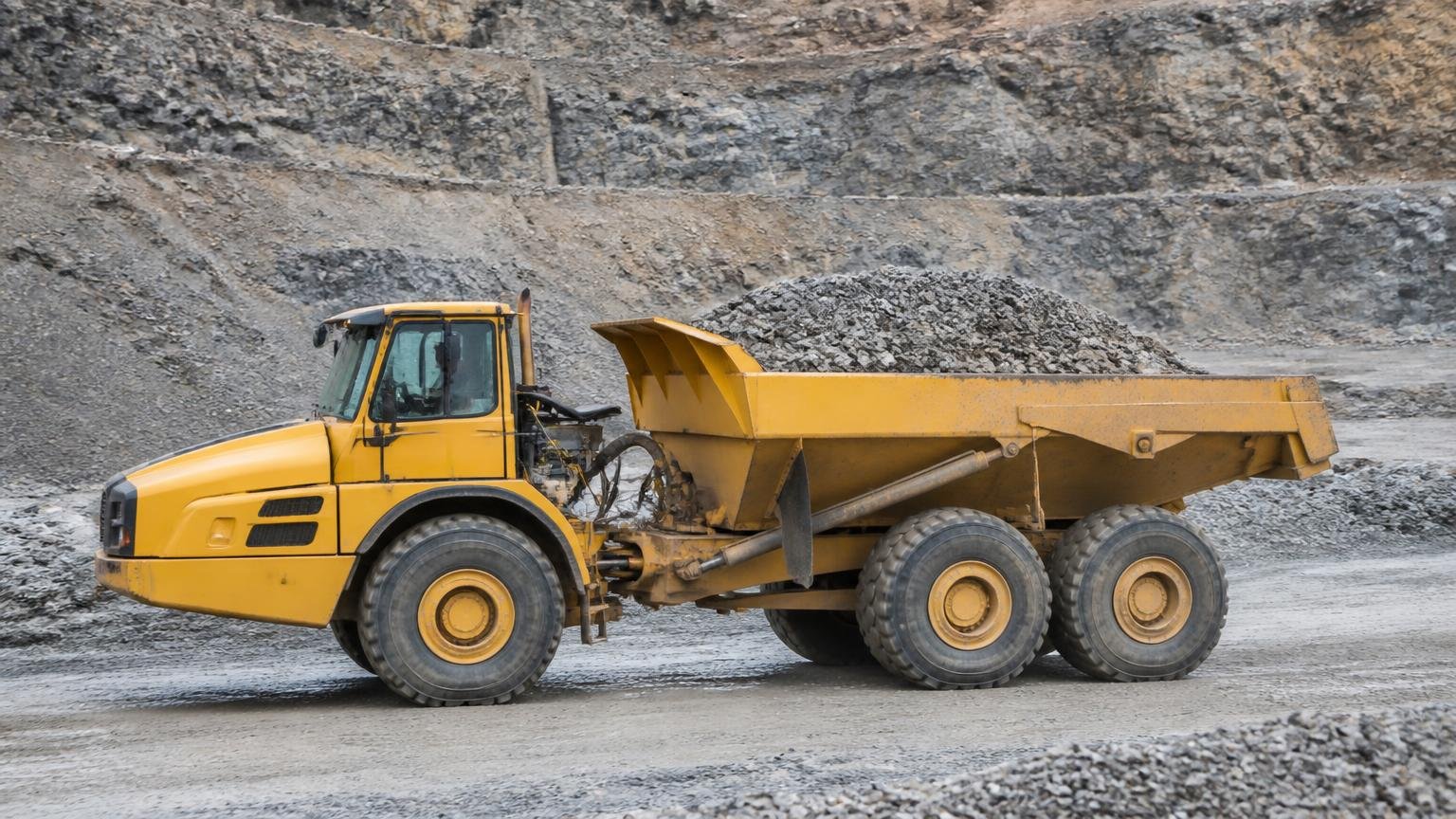
Volvo Construction Equipment announced in April 2026 that it had begun serial production of the A30 Electric and A40 Electric articulated haulers, positioning the machines among the largest battery-electric articulated haulers in serial production. ISPT reports this as a company announcement; the operational performance of the machines in customer fleets will be established over time.
Why serial production matters
Demonstration machines prove technical feasibility. Serial production commits a manufacturer to supply chains, service networks, spare-parts provisioning, technician training and warranty exposure. It requires suppliers to industrialise battery packs, power electronics, thermal management systems and high-voltage components at volume and to consistent quality.
That commitment is what turns an engineering programme into an industry event.
Industry context
Battery-electric equipment has advanced fastest in compact machines, where duty cycles are shorter and energy requirements lower. Articulated haulers occupy a different position: they are high-energy machines used in quarrying, mining and large earthworks, where daily energy consumption is substantial and downtime is expensive.
Moving to this size class therefore tests the parts of the proposition that compact machines do not - charging infrastructure, energy management, battery sizing against duty cycle, and total cost of ownership over a working life.
What it means for manufacturers
For OEMs, electrification changes the bill of materials fundamentally. Engine, fuel system, exhaust and after-treatment content is replaced by battery systems, inverters, electric motors, high-voltage distribution and cooling. Suppliers who have spent decades building diesel-related capability face a different demand profile; suppliers in power electronics and thermal management face a growing one.
What it means for importers and distributors
Distributors carry the practical burden of electrification. High-voltage service requires certified technicians, specialised tooling and workshop safety procedures. Charging strategy becomes part of the sale, because a machine that cannot be charged on site cannot work. Distributors who develop this capability early will be difficult to displace.
What it means for parts and the aftermarket
The electric parts basket is different, not smaller. Filters, injectors and exhaust components decline. Battery modules, cooling components, high-voltage cabling, contactors, sensors and software updates increase. Mechanical wear items - undercarriage, tyres, hydraulic cylinders, structural components, brakes - continue largely unchanged, and remain the volume core of the aftermarket.
Diesel machines will remain in fleets for many years. The realistic near-term picture is coexistence, with parts businesses required to serve both.
What to watch next
Watch fleet adoption rates, published operating data from customers, charging infrastructure investment at quarry and mine sites, and the emergence of independent suppliers in high-voltage components.
Editorial view
Serial production is a signal, not a verdict. The question electrification must now answer is commercial rather than technical: whether machines of this scale deliver acceptable cost per tonne over a full working life.
**Sources: Official company releases, government publications, industry associations and verified business media. This article is independently written by ISPT based on publicly available information and cited sources.**
Sources & references
- Volvo Construction Equipment official announcement · Company announcement · 2026-04-09
Industry Briefings
India Brief and Global Brief, straight to your inbox
Daily intelligence on manufacturers, importers, parts, policy and markets for senior industry professionals.