
Technology Analysis
The Global Shift From Mechanical Machines to Connected Machines
Telematics turned machines into data sources. The more significant change is what happens when that data begins to decide when parts are replaced.
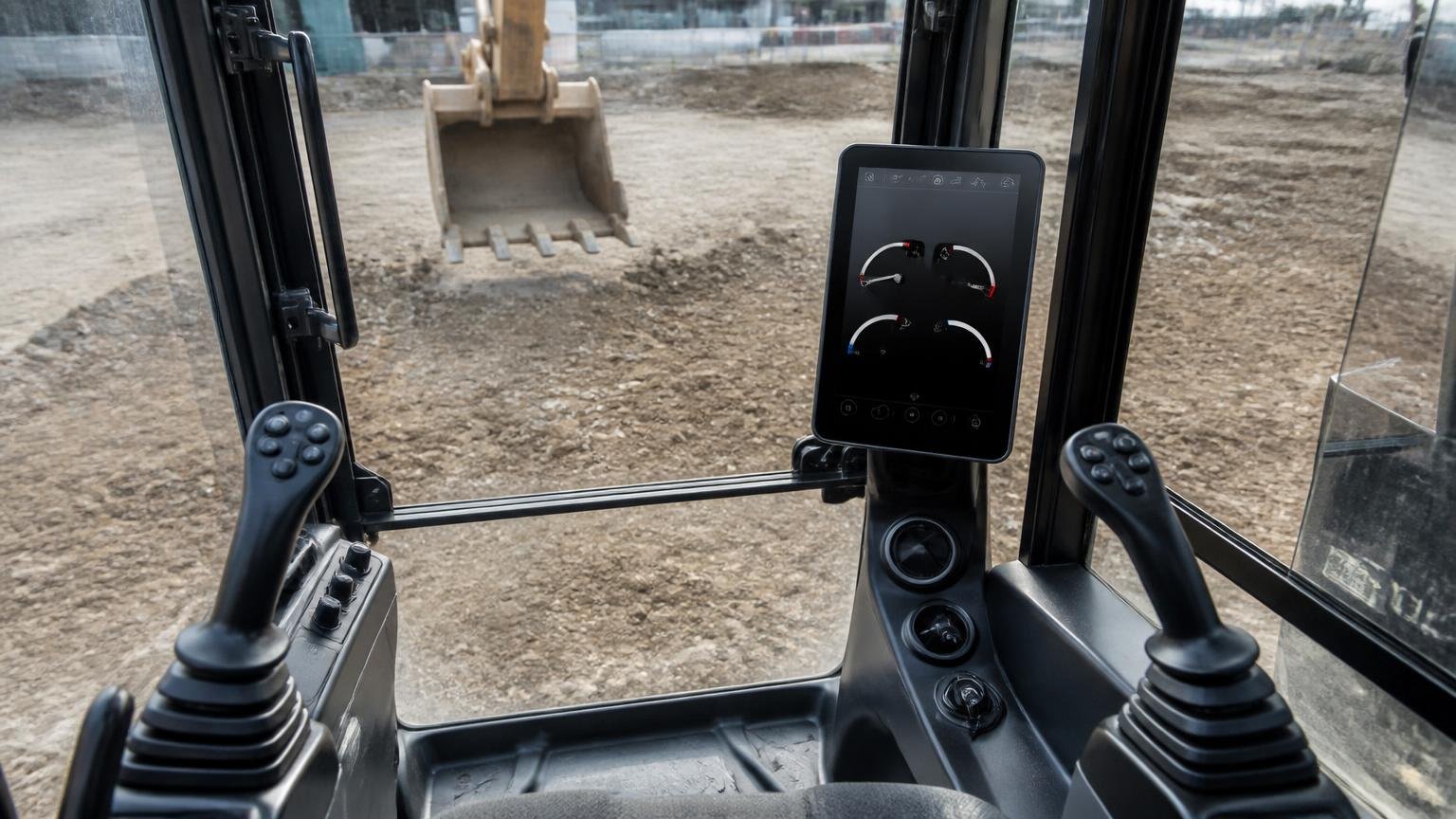
A modern construction machine generates operating data continuously: engine load, hydraulic pressure, fuel or energy consumption, fault codes, idle time, location and utilisation. What has changed is not the existence of that data but the industry's growing ability to act on it.
The following is ISPT analysis of an observable direction of travel, not a claim that every fleet or manufacturer has reached the same point.
What is changing
Telematics began as a fleet-management and security tool - where is the machine, how many hours has it run. It has progressively expanded into condition monitoring, remote diagnostics, utilisation analytics and, increasingly, predictive maintenance.
The technical enablers are unremarkable individually: cheaper sensors, reliable connectivity, cloud storage, and analytical models trained on large fleet datasets. Combined, they change what a service organisation can know before a machine fails.
Industry context
Manufacturers across the sector have expanded connected-service offerings, and machine control, assistance systems and fleet management are increasingly presented as core capability rather than optional equipment. Liebherr's 2026 industry presence, for example, has emphasised intelligent assistance systems and connected construction and mining solutions - one illustration of a broader direction.
What it means for manufacturers
Connectivity gives OEMs a direct relationship with the machine after it has been sold. That relationship supports service contracts, uptime guarantees and parts sales, and it changes the competitive balance between manufacturers and independent service providers.
It also creates obligations: data governance, cybersecurity, and clarity about who owns machine data - the manufacturer, the dealer or the owner. These questions are unresolved across much of the industry.
What it means for importers and distributors
For distributors, connected machines make service capability measurable. A dealer can demonstrate response time and uptime with evidence rather than assertion. That transparency rewards well-run networks and exposes weak ones.
What it means for parts and the aftermarket
This is where the change is most commercially significant. In a reactive model, parts are purchased after failure, availability is a matter of chance, and downtime is the cost. In a predictive model, replacement is scheduled, parts are positioned in advance, and downtime is planned.
If predictive maintenance becomes widespread, ISPT expects three effects: demand becomes more forecastable, inventory can be held more precisely, and the party holding the data gains commercial advantage in the parts transaction. Independent parts suppliers who lack access to machine data may find themselves competing without visibility of demand that others can see.
This is analysis rather than settled fact. Adoption varies widely by market, fleet size and machine age, and a large proportion of the global installed base is not connected at all.
What to watch next
Watch the development of data-access rules and right-to-repair discussion, adoption rates among mid-sized fleets, and whether independent parts distributors gain access to condition data through customer permission.
Editorial view
Connectivity does not remove the need for parts. It changes who knows when a part is needed, and knowledge of demand is itself a competitive asset.
**Sources: Official company releases, government publications, industry associations and verified business media. This article is independently written by ISPT based on publicly available information and cited sources.**
Sources & references
- Liebherr official communications · Company announcement · 2026-09
Industry Briefings
India Brief and Global Brief, straight to your inbox
Daily intelligence on manufacturers, importers, parts, policy and markets for senior industry professionals.