Market Analysis
Why OEM Spare Parts Are Becoming a Strategic Manufacturing Opportunity in India
A growing installed base, longer machine lives and stricter quality expectations are turning genuine parts manufacturing into a business in its own right.
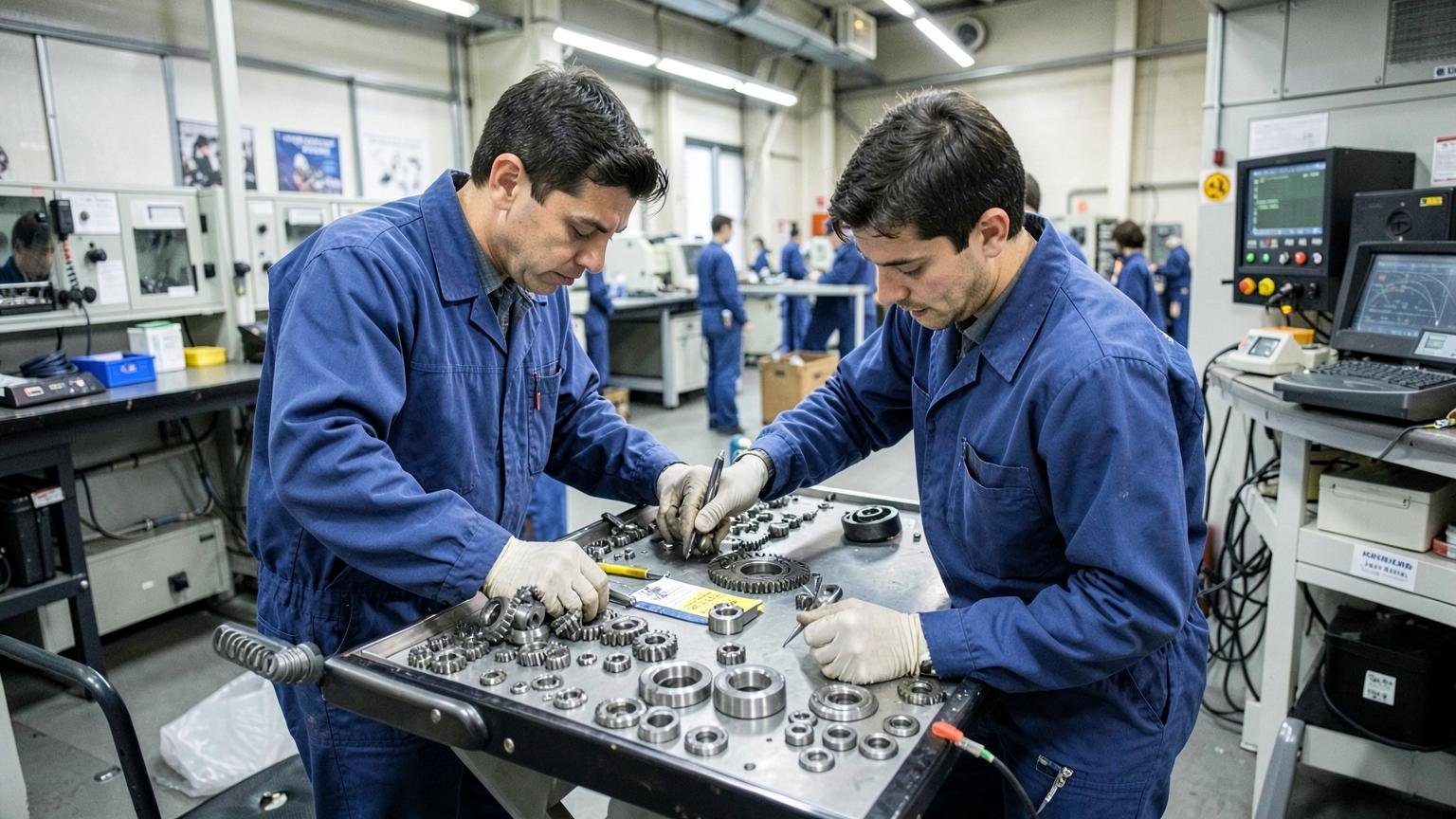
Spare parts have long been treated as a service obligation attached to equipment sales. In India, they are increasingly a manufacturing opportunity with its own economics, customers and competitive dynamics.
What is changing
The installed base of construction and mining equipment in India has grown through repeated infrastructure cycles, and machines are being operated longer and more intensively. Domestic sales of 113,229 units in FY26 alone, as reported by Business Standard, add to a population that will require replacement parts for years. Exports add machines operating abroad.
At the same time, buyers have become more discriminating. Fleet owners increasingly evaluate parts on machine availability and total cost rather than invoice price.
The competitive picture
Three categories of supply compete in the market: genuine OEM parts, reputable will-fit or compatible parts manufactured to comparable specification, and low-cost substitutes of uncertain origin. The third category is the industry's persistent problem. Counterfeit and misrepresented parts damage machine reliability, distort price expectations and create warranty disputes.
The countermeasures are practical: part-number traceability, secure labelling, verifiable documentation and digital identification that lets a buyer confirm what they are purchasing before it is fitted.
What it means for manufacturers
For OEMs, the parts business is typically more stable and less cyclical than machine sales, which makes it strategically valuable. Protecting it requires availability - a genuine part unavailable for six weeks effectively becomes an advertisement for a substitute.
For independent parts manufacturers, the realistic route to scale is credibility: certification, consistent metallurgy and testing, and documented cross-reference data.
What it means for importers
Importers of parts hold the distribution relationships and the field failure knowledge that manufacturers need. Several will find their most profitable future in transitioning from import-and-resell towards manufacturing partnership or contract manufacturing, particularly in wear and consumable categories.
Digital identification is becoming decisive
Parts discovery is a real commercial constraint. Machine owners struggle to identify the correct part number across model variants and production years. Suppliers who invest in clean catalogue data, cross-reference tables and searchable digital identification convert that friction into an advantage. ISPT expects parts discovery infrastructure to become a competitive differentiator rather than a back-office function.
What to watch next
Watch the growth of organised parts distribution networks, adoption of digital catalogues and authentication, and any movement by Indian parts manufacturers into export aftermarket supply.
Editorial view
The aftermarket rewards reliability and availability more than it rewards price. Indian manufacturers who understand that are building a business that will outlast several equipment cycles.
**Sources: Official company releases, government publications, industry associations and verified business media. This article is independently written by ISPT based on publicly available information and cited sources.**
Sources & references
- Business Standard · Business publication · 2026-09-01
Industry Briefings
India Brief and Global Brief, straight to your inbox
Daily intelligence on manufacturers, importers, parts, policy and markets for senior industry professionals.