Market Analysis
The Localisation Opportunity in India's Heavy Equipment Spare Parts Industry
The machine is only the entry point. The larger and more durable industrial opportunity sits in components, wear parts and the aftermarket that follows every unit sold.
Most discussion of localisation in India's heavy equipment sector begins and ends with the machine. That framing understates the opportunity. A machine is sold once. Its parts are sold for a decade or more.
What is changing
India's installed base of construction and mining equipment has expanded through successive infrastructure cycles, and exports have added machines operating outside the country. Industry reporting indicates that several high-technology components - control valves, electronic control units, hydraulic assemblies - continue to be imported. The aftermarket inherits that dependence.
The structure of the opportunity
Spare parts demand separates into distinct tiers, and each carries a different localisation difficulty.
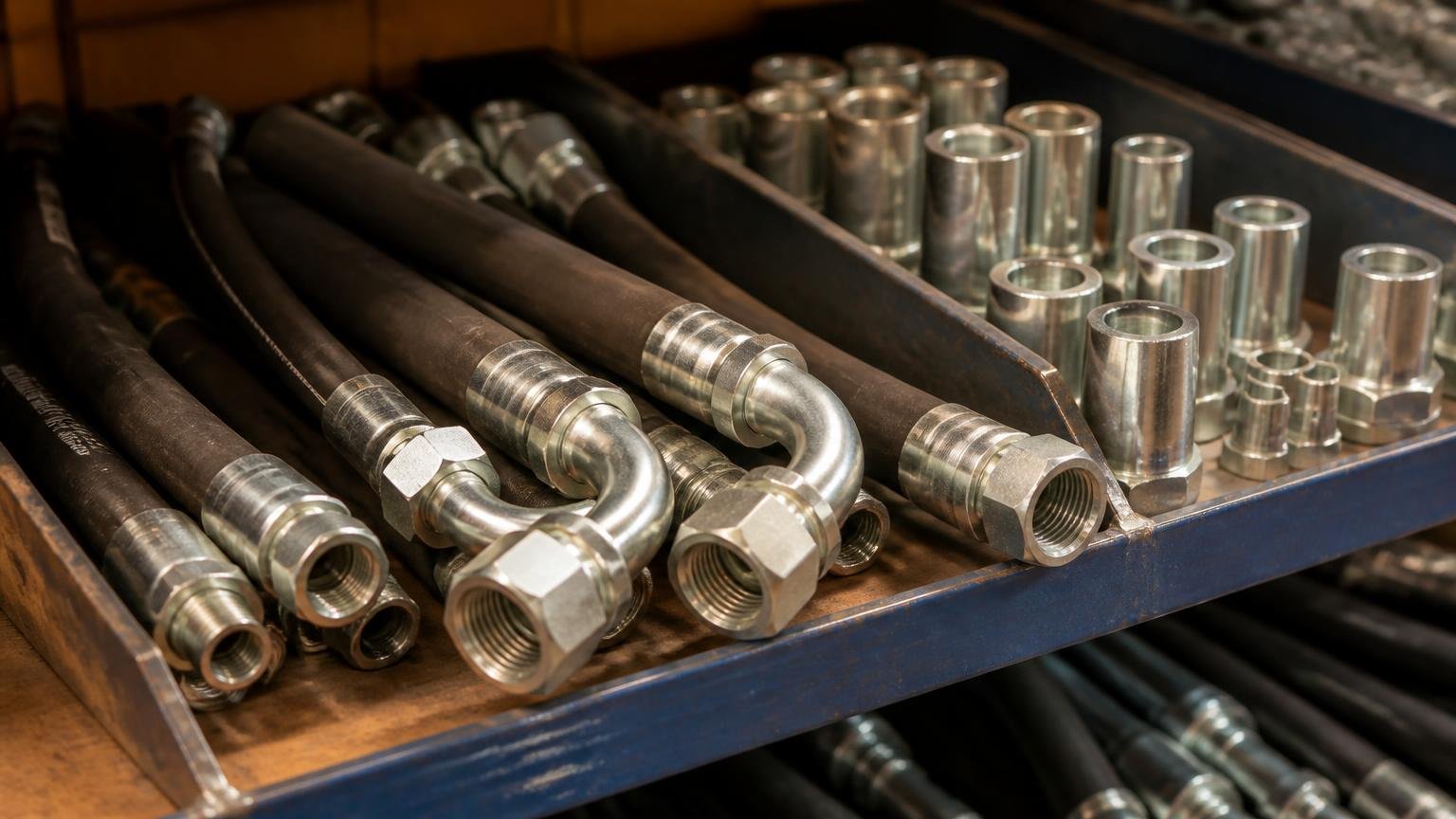
Wear and consumable parts - undercarriage components, ground engaging tools, filters, hoses, seals and bushings - are the most accessible. They are high-volume, replacement-driven and largely mechanical. India already manufactures many of them, often to export standard.
Engine and driveline components sit in the middle tier, requiring metallurgy, machining precision and quality documentation that a growing number of Indian suppliers can meet.
Hydraulic and electronic components form the difficult tier. Control valves, pumps, sensors and control units require validation infrastructure, software capability and long qualification cycles. This is where the value concentrates and where domestic capability remains thinnest.
What it means for manufacturers
For component manufacturers, the practical entry route is OEM qualification rather than the open aftermarket. Supplying an OEM production line brings specification discipline, audit requirements and traceability - and those credentials then open both the genuine-parts channel and export opportunities.
What it means for importers
Importers hold an asset that domestic manufacturers often lack: knowledge of what actually fails, in which application, at what interval. That field data is a legitimate basis for guiding local manufacturing partnerships, and it is more valuable than the margin on any single shipment.
What it means for the aftermarket
Three requirements will separate serious parts manufacturers from the rest: verifiable quality certification, part-number traceability and cross-reference discipline, and protection against counterfeit substitution. Contractors increasingly evaluate parts on machine uptime rather than unit price, and that shift favours documented quality.
Digital parts identification - clean catalogues, cross-reference data, verifiable part numbers - is becoming as important as manufacturing capability. A well-made part that cannot be found or verified will lose to a poorer part that can.
What to watch next
Watch for Indian component makers securing OEM approvals in hydraulics and electronics, for the growth of organised parts distribution, and for export of Indian-made aftermarket components into markets where Indian machines already operate.
Editorial view
India's localisation ambition should be measured in components, not in machines. Building the ecosystem around the machine is slower work, less visible in headline statistics, and considerably more valuable to the industry over time.
**Sources: Official company releases, government publications, industry associations and verified business media. This article is independently written by ISPT based on publicly available information and cited sources.**
Sources & references
- Business Standard · Business publication · 2026-09-01
Industry Briefings
India Brief and Global Brief, straight to your inbox
Daily intelligence on manufacturers, importers, parts, policy and markets for senior industry professionals.