
Strategic Industry Analysis
Why Global OEMs Are Rebuilding Their Supply Chains
Efficiency was the organising principle for thirty years. Resilience is now competing with it, and the cost of that shift is being absorbed across the supply base.
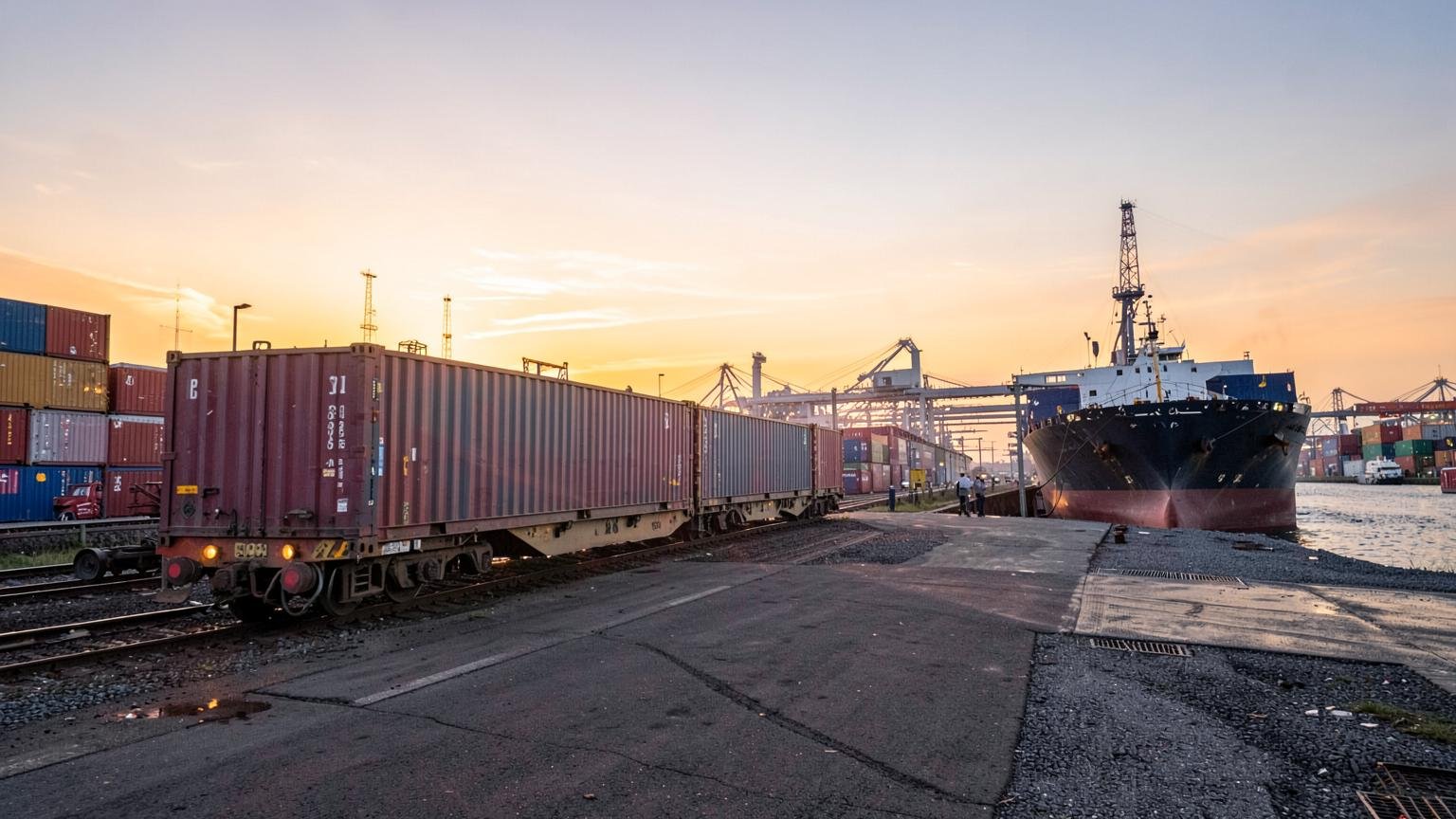
For three decades, the guiding principle of industrial supply chains was efficiency: source at the lowest qualified cost, hold minimal inventory, consolidate suppliers. That model delivered substantial savings and a specific vulnerability - it assumed continuity.
What is changing
Manufacturers are now designing supply chains against a second objective. Regional production, dual sourcing, deeper inventory of critical components and closer supplier relationships are being adopted alongside cost management rather than in place of it.
Trade policy is part of the picture. Major manufacturers have referenced tariffs and cost pressure in recent disclosures, and trade measures directly affect where it is rational to manufacture and from where to source.
ISPT approaches this subject as an industrial matter. Trade policy is set by governments; our concern is how manufacturers and suppliers respond to it, not the politics behind it.
Industry context
Three categories of risk have driven the reassessment. Concentration risk, where a single supplier or country dominates a critical component. Logistics risk, where routes or capacity become constrained. And policy risk, where duties, restrictions or compliance requirements change the economics of an established supply route.
Heavy equipment is exposed to all three, particularly in electronics, semiconductors, castings and specialised hydraulic components.
What it means for manufacturers
Resilience costs money. Qualifying a second supplier requires validation investment and splits volume, weakening negotiating position. Regional plants sacrifice scale. Deeper inventory ties up working capital.
The manufacturers navigating this well appear to be applying resilience selectively - identifying the components where interruption would halt production, and accepting higher cost only there. Applying resilience uniformly across a bill of materials is unaffordable.
What it means for suppliers
For suppliers, this is a period of genuine opportunity. Manufacturers are actively looking for qualified alternatives outside concentrated regions. Suppliers in India, Southeast Asia, Eastern Europe, Mexico and Turkey are being evaluated for programmes that would not previously have been open to them.
The entry requirement is not price. It is qualification: process documentation, quality systems, capacity credibility and the engineering capability to support validation. Suppliers who invest in these credentials before the enquiry arrives are the ones who win the programme.
What it means for parts and the aftermarket
Aftermarket supply follows production supply. As manufacturers regionalise component sourcing, regional parts manufacturing becomes more viable, which shortens replacement lead times and improves availability - the outcome customers value most.
What to watch next
Watch announcements of regional plants and supplier diversification programmes, changes in reported supplier concentration, and whether resilience investment persists if cost pressure intensifies.
Editorial view
Supply chains are being rebalanced rather than reversed. The winners are likely to be qualified suppliers in regions that were previously overlooked - a genuine opening for manufacturers in India and other emerging industrial economies.
**Sources: Official company releases, government publications, industry associations and verified business media. This article is independently written by ISPT based on publicly available information and cited sources.**
Sources & references
- Komatsu Ltd. official FY2026 results disclosure · Company announcement · 2026
- Caterpillar Inc. official results · Company announcement · 2026-08-04
Industry Briefings
India Brief and Global Brief, straight to your inbox
Daily intelligence on manufacturers, importers, parts, policy and markets for senior industry professionals.